Lancaster sits on a mix of older plumbing and newer builds, and our crew has pulled water out of both, which is why the truck that shows up already has the right extraction head for your situation.
Call +1-844-578-1604
Avg. arrival under 60 minutes in Lancaster
Flat-rate quote before any equipment runs
IICRC-certified technicians on every truck

We run our Lancaster operation on IICRC-certified technicians and commercial-grade equipment, not a subcontractor list we pull from when the phone rings.
Local pricing means local pricing — our Lancaster estimates reflect actual regional labor and material costs, not a national average that leaves you either overpaying or underinsured.
Ongoing training matters more to us than a certificate on the wall — drying standards and equipment change, and our crews train against the current standard, not the one from five years ago.
Water damage rarely starts as a dramatic flood — it usually starts small, and these are the signs worth acting on before the damage spreads further.
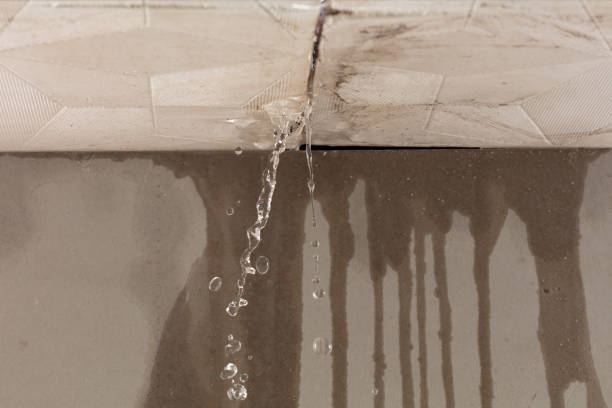
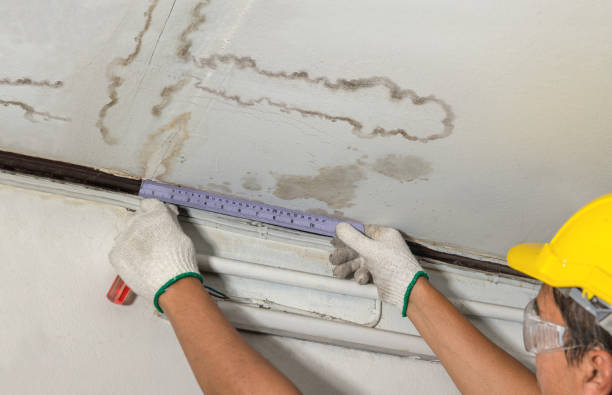
Repainting over a recurring ceiling stain treats the symptom, not the leak still feeding it from above or behind the surface. The stain returning is the actual diagnosis.
If a dehumidifier and open windows don't clear the smell within a day or two, there's an active moisture source that ventilation alone won't solve.
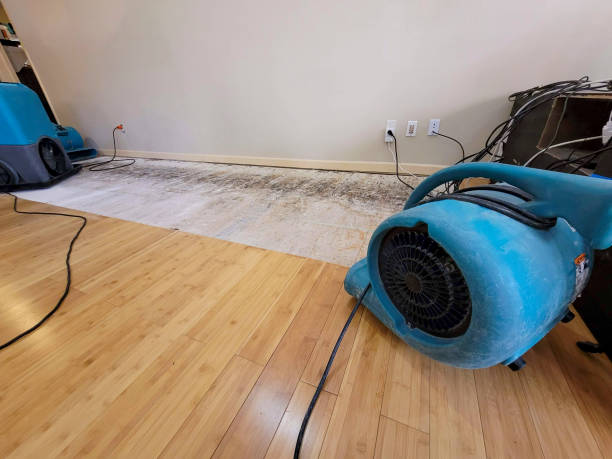
Flooring that shifts slightly when you walk on it, even subtly, is worth a moisture reading before it gets worse.
Catching a hidden leak through the water bill is far cheaper than waiting for it to surface as a flooded room.
Bubbling near a window frame frequently traces back to a failed seal letting water in gradually.
A small patch of mold in a corner or along a baseboard means conditions behind that surface have supported growth for a while — the source needs to be found, not just wiped away.
If more than one of these sounds familiar, it's worth a professional moisture check sooner rather than later.
We don't split Ceiling Water Damage Repair into separate vendors for extraction, drying, and repair — one crew stays accountable for the whole job, from the first wet-vac pass to the final coat of paint.
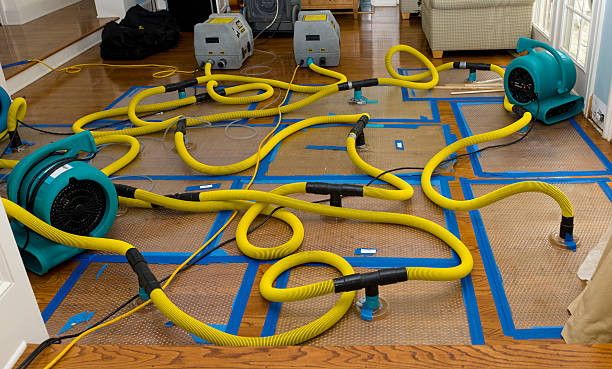
The equipment on our trucks scales up or down to the job, but the process — assess, extract, dry, verify, repair — doesn't change.
We treat extraction speed as the single biggest variable we control — every additional hour of standing water raises the odds of secondary damage.
We don't call a structure dry based on a visual check — the moisture meter has the final say before equipment comes down.
Our sewage cleanup protocol follows IICRC S500 guidelines start to finish, including isolation of the affected zone and disposal documentation.
We treat the 48-hour mold window as a deadline for our own drying timeline, not a talking point.
One contract from extraction through reconstruction means you're not managing two separate companies and two separate invoices.
Furniture, electronics, and documents get assessed on-site, with salvageable items cleaned and stored while the space dries.


Four steps, no guesswork — here's exactly what happens between your call and a verified-dry structure.
Real person, real questions, fast routing — the goal is getting a truck moving within minutes of hanging up.
Photo and moisture documentation happens before any equipment gets touched, which protects your insurance claim later.
Extraction and drying run as one continuous process rather than two separate scheduled visits.
Final verification is where corners often get cut industry-wide; we treat it as mandatory.
None of these four things matter in isolation — it's the combination of licensing, speed, honest pricing, and a real guarantee that actually changes the outcome of a water emergency.
We'll show you the credentials before we show you the invoice, if that's what puts you at ease.
Regionally staged trucks mean a crew often arrives before a national chain's call center finishes the intake questionnaire.
The number we quote is the number you pay, regardless of how long the drying cycle runs.
A guarantee only counts if it's backed by a second moisture reading, not just good intentions.
If our readings don't hit a safe drying standard on schedule, equipment stays running at our cost until they do — that's the bar we hold ourselves to.
This isn't marketing copy — it's the actual checklist our crews sign off against before a job is marked complete.
Call +1-844-578-1604Aqua Guard Water Damage routes crews across Lancaster and its surrounding zip codes, including 3584, so response times hold steady no matter which side of town the call comes from.
We track call patterns by zip code across Lancaster to keep crew staffing matched to where emergencies actually happen.

"I've dealt with contractors before who talk a big game and disappear. The crew here in Lancaster actually showed up on time and stayed in touch through the whole drying process."
Renee A., Lancaster"The daily moisture log gave me something concrete to look at instead of just being told to trust the process."
Owen D., Lancaster"The sewage backup in our basement bathroom got the full PPE-and-disinfection treatment, and they walked me through exactly why certain materials had to go."
Fatima J., Lancaster"The reconstruction crew matched our original flooring almost exactly after the repair — you'd never guess there was ever a leak."
Lucas P., Lancaster"We had a slow leak for weeks without noticing, and thermal imaging found moisture in a spot we never would have checked ourselves."
Grace T., Lancaster"Working a commercial job around our business hours could have been a scheduling nightmare, but they made it simple."
Nathaniel W., Lancaster"A cracked supply line under our kitchen sink went unnoticed for days, and by the time we called, the subfloor was saturated. They only replaced what actually tested wet, not the whole floor."
Bianca H., Lancaster"They explained the crawl space drainage issue in plain terms instead of technical jargon, and fixed it on the spot rather than scheduling a separate trip."
Derek S., Lancaster"They found the actual source of the leak instead of just drying the surface damage, which saved us from the same problem happening again in a month."
Melissa C., Lancaster"Being out of town when it happened was stressful enough — having a crew that could work directly with our property manager made it manageable."
Victor N., Lancaster